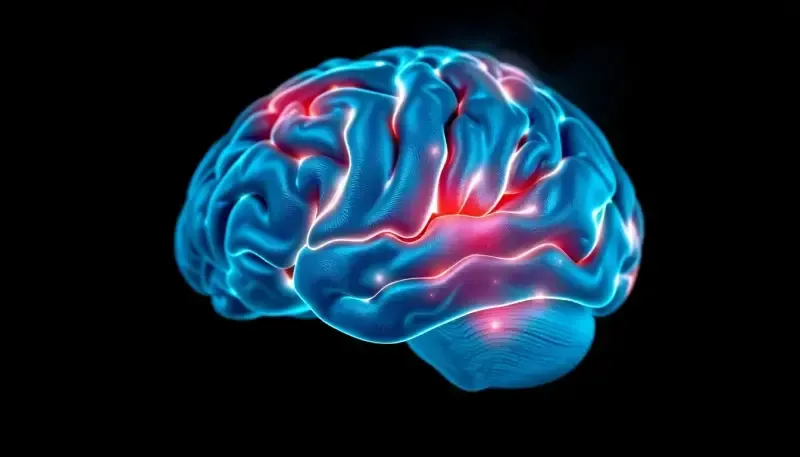
Car accidents can have devastating consequences, especially when it comes to brain injuries. Understanding the types of injuries, their symptoms, and potential recovery paths is crucial for anyone who has been involved in a collision. Here, we delve into the intricacies of traumatic brain injuries (TBIs) resulting from car accidents, offering vital insights and guidance.
The prevalence of traumatic brain injuries from car accidents
Approximately 15% of all traumatic brain injuries (TBI) are attributed to car accidents. Alarmingly, 30% of all individuals involved in vehicular accidents suffer from head injuries. This statistic is particularly concerning for young drivers aged 20-24, who are at a heightened risk. Despite a decline in fatalities among teenage drivers in the past six years, a significant portion of traumatic brain injuries leading to death in adolescents still stems from car accidents.
Understanding the risks of brain injuries in car accidents
Car accidents pose unique risks for brain injuries due to the dynamics of motion involved. When a vehicle collides, the occupants experience sudden changes in velocity, which can lead to severe impacts on the brain.
During a crash, the body may:
- Come to a sudden halt, causing the brain to collide with the inside of the skull.
- Be propelled in a different direction, causing the brain to move violently against the skull.
- Increase momentum rapidly, resulting in rotational forces that can tear brain tissue.
In any of these scenarios, the brain is vulnerable to injury, particularly when the head and neck twist violently, leading to nerve damage and long-term consequences.
Types of head injuries sustained in car accidents
Head injuries from car accidents can be categorized into two main types:
- Open head injuries: These injuries occur when the skull is fractured or penetrated, typically in high-impact accidents. The brain is exposed to external elements, leading to a high risk of infection and severe complications. Such injuries often necessitate surgical intervention and can be life-threatening.
- Closed head injuries: Unlike open head injuries, closed head injuries do not involve a breach of the skull. However, they can still cause significant internal damage. The brain may be violently jostled, leading to contusions, bleeding, and swelling. Closed head injuries are often deceptive, as symptoms may not be immediately apparent, making diagnosis challenging.
Ignoring early signs of head injuries
A common misconception is that only severe accidents result in brain injuries. This false belief can lead individuals to overlook early symptoms, which are critical for timely intervention. Many low-speed collisions can still result in mild to moderate TBIs.
The severity of a TBI is often assessed based on:
- The duration of unconsciousness.
- The length of post-traumatic amnesia.
There are four main sub-types of TBIs to be aware of:
- Concussion: Often associated with sports, a concussion occurs without visible signs but can lead to significant internal bleeding and brain trauma.
- Contusions: This refers to bruising of the brain tissue caused by impact. Contusions can result in swelling, bleeding, and potentially harmful clots.
- Coup-contrecoup: This injury involves bruising at the point of impact as well as the opposite side of the brain, leading to complex damage.
- Diffuse axonal injury: Resulting from violent movement, this injury causes tearing and shearing of brain tissue, leading to widespread damage.
Recognizing symptoms of traumatic brain injury
Symptoms of TBIs can manifest in various ways, and many may not appear immediately following the accident. Common symptoms include:
- Lethargy
- Headaches
- Nausea
- Confusion
- Memory issues
- Vision problems
- Dizziness
It's essential to seek medical attention even if symptoms seem minor, as underlying issues can worsen over time.
Long-term effects and recovery from TBIs
Recovery from a TBI can take weeks, months, or even longer, depending on the injury's severity. Survivors often face long-lasting impacts on their quality of life, affecting their ability to work and perform daily activities.
Statistics indicate that nearly 25% of individuals with moderate TBIs may experience permanent disabilities. The recovery journey can be complex, as brain injuries often require ongoing medical care, rehabilitation, and support.
What to do if you suspect a TBI
If you or someone else exhibits symptoms of a TBI following a car accident, it is crucial to seek medical help immediately. Early diagnosis and treatment can significantly affect recovery outcomes.
Financial burdens associated with TBIs can be overwhelming. Medical expenses, rehabilitation costs, and lost wages can quickly add up, placing a strain on individuals and their families. Seeking legal counsel may help in obtaining compensation from at-fault parties and their insurance companies.
For expert assistance in navigating the complexities of traumatic brain injury claims, we invite you to reach out to DeVaughn James Injury Lawyers. Our experienced team is dedicated to advocating for your rights while you focus on recovery.
For further insights, check out this informative video on common symptoms of a traumatic brain injury after a car accident.
References: