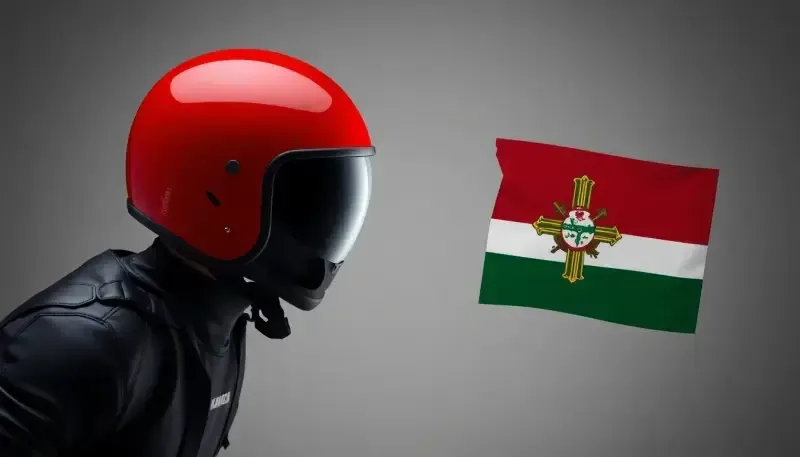
Riding a motorcycle can be one of the most exhilarating experiences, especially in the picturesque landscapes of the Midwest. However, before you hit the open road, it’s essential to understand the motorcycle helmet laws in your state. This article dives into the regulations in Kansas and Missouri, helping you navigate the legal landscape while ensuring your safety.
Let’s uncover how these laws can affect your ride and what you need to know to stay protected.
Kansas: A Blend of Freedom and Responsibility
Kansas offers a unique approach to motorcycle helmet laws. While the state allows riders a degree of freedom, there are still important regulations in place aimed at protecting younger and less experienced motorcyclists. Specifically, Kansas does not require all riders to wear helmets, but there are stipulations based on age and experience.
- Riders under the age of 18 are mandated to wear helmets at all times.
- Individuals with less than one year of experience holding a motorcycle license must also wear helmets.
- For those over 18 and with more than a year of experience, helmet use is optional.
This law encourages personal choice while ensuring that younger and inexperienced riders prioritize their safety. Despite the leniency for experienced riders, wearing a helmet remains a crucial aspect of motorcycle safety and can significantly reduce the risk of head injuries in the event of an accident.
Missouri: Navigating the Changing Landscape of Helmet Laws
In Missouri, helmet regulations underwent significant changes in 2020, allowing riders more options regarding helmet use. Prior to this change, all motorcyclists were required to wear helmets, but the new law offers flexibility for certain riders.
- All operators and passengers under the age of 26 must wear helmets.
- Riders over 26 can opt out of wearing a helmet if they have health insurance or another form of medical coverage.
- Those choosing to ride without a helmet must complete a state-approved motorcycle safety course.
- This waiver is available only for riders who have held their motorcycle license for at least two years.
This legal framework aims to balance personal freedom with safety. It recognizes that while experienced riders may feel confident in their skills, some level of regulation is essential to protect younger or less experienced riders.
Choosing the Right Motorcycle Helmet
Selecting the appropriate helmet goes beyond mere compliance with the law; it's about ensuring your safety while riding. Here are some common types of helmets to consider:
- Full-Face Helmets: These provide comprehensive protection for your entire head and face, making them ideal for long-distance rides.
- Open-Face Helmets: Perfect for urban riding, these helmets cover the top and sides of the head while leaving the face exposed, allowing for a more relaxed ride.
- Half Helmets: Lightweight and minimalist, these only cover the top of your head, suitable for short trips and casual cruising.
When selecting a helmet, ensure it fits snugly without being uncomfortable. Look for features like ventilation, visor options, and safety ratings to find the best helmet for your needs.
Always remember that a well-fitted helmet can be your best defense in unexpected situations. It’s essential to prioritize quality and comfort while riding.
The Financial Implications of Not Wearing a Helmet
One of the critical aspects to consider when it comes to helmet laws is the financial impact of choosing not to wear one. In Kansas, failing to wear a helmet can result in a fine of $45. In Missouri, the penalty for a first-time offense is $25. However, Missouri’s law operates under secondary enforcement, meaning officers cannot stop riders solely for not wearing a helmet.
The financial repercussions of not wearing a helmet can extend well beyond fines. Medical expenses from motorcycle accidents can exceed $200,000 for severe injuries and can spike to over $1.2 million in fatal cases. Here’s why wearing a helmet is crucial:
- Helmets significantly reduce the risk of head injuries, which can lead to lifelong medical care.
- They can decrease the likelihood of fatalities in accidents.
- Wearing a helmet can lower insurance costs due to reduced medical claims.
In the unfortunate event of a motorcycle accident caused by another driver, it’s essential to know that you have the right to seek compensation for injuries and damages. Understanding your rights and the importance of safety gear can make a significant difference in the aftermath of an accident.
Staying Informed: The Importance of Ongoing Education
As motorcycle laws can vary significantly from one state to another, staying informed about current regulations is paramount for all riders. Participating in educational courses and motorcycle safety training can enhance your knowledge and riding skills, further promoting safety on the road.
Consider enrolling in local motorcycle safety programs or attending workshops to stay updated on best practices. Many organizations offer resources and training to help riders understand the importance of helmet use and safe riding techniques.
Additional Resources and Support
For those seeking further information on motorcycle laws and safety, numerous resources are available. Local motorcycle associations often provide valuable insights into regional regulations and safety training. Additionally, many states offer motorcycle safety courses that can help you sharpen your skills and knowledge.
Here’s a list of potential resources to consult:
- State Department of Transportation websites for legal updates.
- Local motorcycle clubs for community support and events.
- National safety organizations for comprehensive safety training programs.
Staying connected with these resources can empower you to ride safely while enjoying the freedom that comes with motorcycling.
To gain a deeper understanding of the significance of helmet laws and motorcycle safety, check out this informative video: