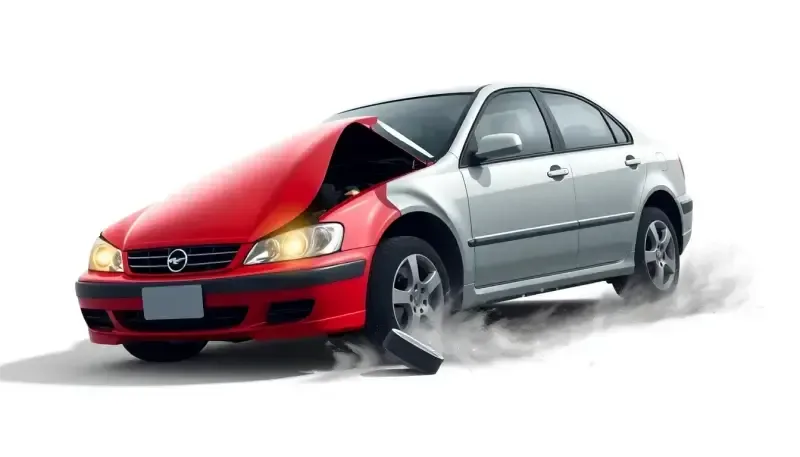
Car accidents are an unfortunate reality on our roads, and understanding their different types is crucial for drivers to enhance their safety. The fear of being involved in a crash is widespread, with studies showing that nearly 86% of motorists express concerns about serious injuries or fatalities resulting from collisions. However, with the right knowledge and defensive driving tactics, one can significantly reduce the risk of being involved in a serious accident.
This article explores the most dangerous types of car crashes, providing insights into their dynamics and common causes.
Understanding the deadliest types of car crashes
Car crashes can vary dramatically in severity, and certain types are statistically more dangerous than others. Recognizing these types can empower drivers to adopt better safety measures. The dynamics of a collision are influenced by various factors, including vehicle speed, weight, and environmental conditions. Here’s a closer look at the five most dangerous types of car crashes.
Head-on collisions: A significant threat
Head-on collisions, or frontal impacts, are among the most lethal types of car accidents. In 2017 alone, approximately 1,000 head-on collisions were reported in Kansas, leading to over 100 fatalities. Despite representing only 2.5% of all accidents, these collisions account for more than half of all auto accident deaths nationwide.
The danger: The catastrophic nature of head-on collisions stems from the immense force produced upon impact. Even at a modest speed of 20 mph, the force experienced by occupants can feel equivalent to being hit by a mass of nearly 1.5 tons (1,500 kg). The absence of sufficient crumple zones in the front of vehicles exacerbates the danger, leading to severe injuries.
The injuries: The injuries sustained in head-on collisions can be devastating, including:
- Brain and spinal injuries
- Fractured ribs and chest injuries
- Facial fractures and lacerations
- Internal organ damage
- Whiplash and loss of limb
The causes: Most head-on collisions occur when a driver crosses the center line, often due to distractions, impaired driving, or excessive speed.
The peril of roll-over accidents
Despite accounting for only 2.7% of total crashes in Kansas, roll-over accidents are responsible for over 10% of all fatalities. In 2017, these crashes led to more than 150 deaths and over 2,400 injuries.
The danger: Roll-over accidents pose a unique risk due to vehicle design. SUVs and pickup trucks, with a higher center of gravity, have a roll-over rate of nearly 55% for SUVs and 47% for pickups. The risk of ejection from the vehicle during a roll-over further increases the danger.
The injuries: Common injuries from roll-overs include:
- Severe brain and spinal injuries
- Rib fractures and deep lacerations
- Facial injuries and scarring
The causes: Over 80% of roll-over accidents are single-vehicle crashes, often occurring during routine driving maneuvers, and are frequently linked to speeding or poor road conditions.
The dangers of T-bone collisions
T-bone or side-impact collisions occur when one vehicle strikes another at a right angle. In 2017, Kansas recorded nearly 12,500 T-bone accidents, highlighting their prevalence and danger.
The danger: Unlike head-on collisions, T-bone incidents provide little protection to occupants on the side of the impacted vehicle. The doors are often flimsy, and the impact force can be overwhelmingly strong. For instance, even at a speed of 25 mph, impacts can exert forces equivalent to being hit by a 20-ton object.
The injuries: Injuries from T-bone collisions typically involve:
- Head and neck trauma
- Pelvic and abdominal injuries
- Severe facial injuries
The causes: T-bone collisions frequently result from driver distractions, running red lights, or reckless driving maneuvers.
Multivehicle pile-ups: A complex danger
Multivehicle pile-ups, though less common, can be incredibly deadly, accounting for nearly half of all auto accident fatalities. In Kansas, almost 250 fatalities were reported in such crashes in 2017.
The danger: The complexity of pile-ups arises from multiple vehicles colliding at various angles, making it difficult to predict the forces at play. Often, innocent drivers bear the consequences of others' negligence.
The injuries: The variety of impacts means that injuries can range widely, from minor cuts to severe trauma, making it unpredictable. Factors influencing the severity include:
- Speed of the vehicles involved
- Number of cars involved
- Direction of the impacts
The causes: Pile-ups are often exacerbated by poor weather conditions, high traffic volumes, and driver distraction.
Rear-end collisions: The common occurrence
Rear-end collisions are the most frequently reported type of car accident, with nearly 14,000 incidents in Kansas in 2017. While often not fatal, they can lead to serious injuries.
The danger: The impact's severity largely depends on the speed difference between the vehicles involved. Even at low speeds, the whiplash effect can lead to chronic pain and long-term injuries.
The injuries: Common injuries include:
- Whiplash and neck injuries
- Mild traumatic brain injuries
- Soft tissue damage
The causes: Most rear-end accidents are caused by:
- Distracted driving
- Tailgating or following too closely
- Misjudged braking distances
Automobile accidents can lead to a variety of injuries, some of which may result in life-altering consequences. If you or someone you know has been involved in one of these types of crashes, it’s essential to seek legal assistance to understand your rights and options for compensation. Reaching out to professionals can help you navigate through the aftermath of an accident and ensure you receive the support necessary for recovery.
For a deeper understanding of the impact of car crashes, consider watching this insightful video that details shocking car accidents and their consequences: