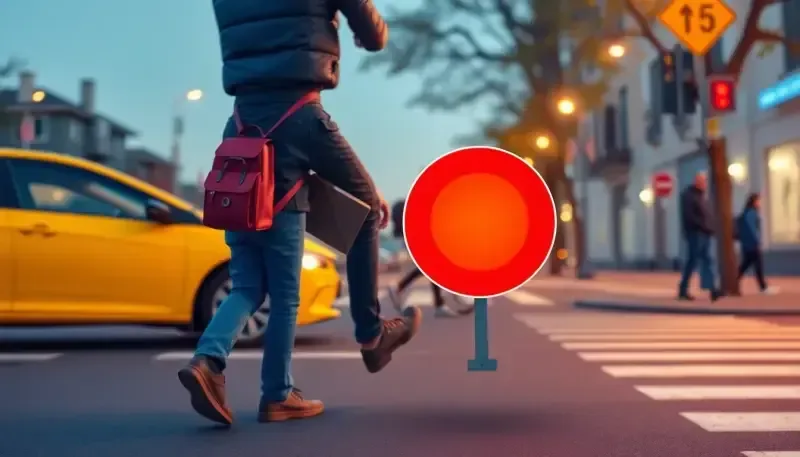
In recent years, pedestrian safety has become a pressing concern on roadways across the United States. With a staggering rise in pedestrian incidents—nearly 10% nationwide—it's crucial to address the factors contributing to these accidents. As drivers, understanding how to navigate our roadways safely can be the difference between life and death for vulnerable pedestrians.
Below, we delve deep into pedestrian safety, the responsibility of drivers, and actionable steps to prevent accidents.
Understanding pedestrian incidents
Statistics reveal a troubling trend: in 2016 alone, over 500 pedestrians and almost 400 cyclists were injured in motor vehicle incidents in Kansas. What’s alarming is that many of these collisions occur under seemingly ordinary circumstances. The increase in pedestrian injuries is not solely attributed to reckless behavior such as distracted or drunk driving, which has paradoxically decreased during the same period.
Instead, many incidents arise from the growing phenomenon of driver and pedestrian inattentiveness.
Experts point to a “car-centric” culture that neglects the safety of those on foot. This alarming trend necessitates a collective responsibility from both drivers and pedestrians to maintain vigilance on the roads.
Key areas where pedestrian accidents are likely to happen
Certain locations inherently pose a greater risk for pedestrian incidents. Being aware of these hotspots can significantly reduce the likelihood of accidents. Here are some critical areas to monitor closely:
- School zones: Children often dart out unpredictably, requiring drivers to exercise extreme caution.
- Residential neighborhoods: Kids playing outside may not notice oncoming traffic, making these areas particularly hazardous.
- Narrow roads: Pedestrians walking along the shoulder of these roads can easily become invisible to drivers.
- Parking lots: High pedestrian traffic coupled with distracted drivers can lead to serious accidents in these areas.
- Event venues and tourist attractions: Large gatherings lead to increased foot traffic, often from visitors unfamiliar with local traffic patterns.
Motorists should not assume that pedestrians will only cross at designated crosswalks, especially in busy urban settings. An alert and cautious approach can help prevent tragic outcomes.
Timing of pedestrian incidents
Data indicates that pedestrian incidents tend to peak at specific times. For instance:
- Day of the week: Fridays are statistically the most dangerous for pedestrians in Kansas.
- Time of day: Most accidents occur between 3 PM and 4 PM, aligning with school dismissals and after-work hours.
- Seasonal trends: May records the highest number of incidents, with holidays like Halloween and Memorial Day posing additional risks due to increased pedestrian activity.
Moreover, weather conditions often play a significant role in these incidents, as most collisions happen in clear weather on dry pavements. Motorists should remain particularly vigilant during peak times, as they are more likely to encounter distracted or hurried pedestrians.
Motorist responsibilities and safety guidelines
As a driver, it is essential to understand and adhere to pedestrian safety laws. Here are several key guidelines to follow:
- Always yield the right of way to pedestrians, especially when making turns.
- Never block crosswalks when stopping at red lights; this endangers pedestrians trying to cross.
- Do not enter intersections unless pedestrians have completely crossed.
- Avoid overtaking vehicles that have stopped at crosswalks.
- In one-way streets, remain stationary until all pedestrians have cleared the roadway.
- Yield to pedestrians when entering or exiting driveways and alleys.
- Be especially cautious of children, seniors, and individuals with disabilities who may have limited mobility.
- Minimize distractions inside the vehicle; stay focused on the road.
- Adhere to speed limits to allow ample reaction time in case of unexpected pedestrian movement.
- Follow all traffic regulations to ensure safety for yourself and others.
Being proactive about pedestrian safety not only enhances your driving skills but also contributes to a safer environment for everyone on the road.
How can we foster safer pedestrian environments?
Creating a safer atmosphere for pedestrians involves community-wide efforts. Here are several initiatives that can help enhance pedestrian safety:
- Improved infrastructure: Implementing more pedestrian crosswalks and traffic lights can help protect those on foot.
- Awareness campaigns: Educating both pedestrians and drivers about road safety through community programs fosters understanding.
- Enhanced law enforcement: Strictly enforcing traffic laws can deter reckless driving and protect pedestrians.
- Urban planning: Designing neighborhoods with walkability in mind encourages pedestrian traffic while prioritizing safety.
Collective community action is vital in addressing pedestrian safety and ensuring that everyone, regardless of their mode of transportation, can navigate roads safely.
Additional resources for pedestrian safety education
To further educate yourself on pedestrian safety and accident prevention, consider watching informative videos that can provide additional insights. One such video is titled "What can be done to reduce auto-pedestrian accidents?." This video outlines essential strategies for both drivers and pedestrians to mitigate risks on the road.
In conclusion, pedestrian safety is a shared responsibility that requires vigilance, awareness, and proactive measures from both drivers and pedestrians. By implementing the strategies outlined above, we can create a safer environment for all road users.