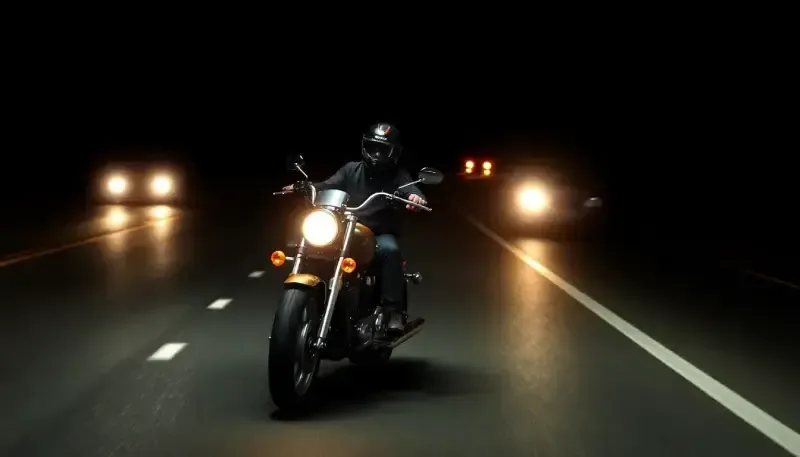
The growing popularity of motorcycles has led to an increased interest in specific riding maneuvers that can help bikers navigate congested traffic more efficiently. Among these, lane splitting and lane filtering are prominent topics of discussion. However, the legality of these practices varies significantly from state to state, particularly in Kansas.
Understanding these laws is crucial for all motorcyclists who wish to stay safe and compliant while riding.
This article explores the legal landscape surrounding lane splitting and filtering in Kansas, detailing the implications for motorcyclists and providing insights into why these practices are often viewed with caution.
Understanding lane splitting and its legality in Kansas
In Kansas, lane splitting is not permitted. The state's laws explicitly prohibit this maneuver, which involves riding a motorcycle between lanes of moving or stationary traffic. The relevant laws, specifically K.S.A. 8-1522 and K.S.A. 8-1595, outline the restrictions placed on motorcyclists in relation to traffic lanes.
K.S.A. 8-1522 focuses on roadway usage, stating that vehicles must be driven entirely within a single lane, thereby implicitly outlawing lane splitting. Meanwhile, K.S.A. 8-1595 addresses the specific rights of motorcycles on multi-lane roads, reinforcing the prohibition against operating between lanes of traffic.
While the law does allow two motorcycles to ride side by side within a single lane, it does not grant permission for motorcycles to share lanes with cars or to maneuver through traffic in a manner typical of lane splitting.
What is lane filtering and how does it differ from lane splitting?
Lane filtering is often confused with lane splitting but refers to a different practice. Lane filtering occurs when motorcyclists move between lanes of slow-moving or stopped traffic to reach the front at a red light. While both practices involve navigating through traffic, the key difference lies in the speed and conditions under which they are performed.
In Kansas, lane filtering is also illegal. Motorcyclists are not allowed to operate their vehicles between lanes of traffic, regardless of traffic speed. This restriction aims to enhance safety for both motorcyclists and other road users.
Why are lane splitting and filtering viewed as dangerous?
- Increased risk of accidents: Lane splitting and filtering can create hazardous situations, as motorcyclists often find themselves in close proximity to larger vehicles, which may not always be aware of their presence.
- Driver unpredictability: Other motorists may not expect a motorcycle to maneuver through lanes, increasing the likelihood of collisions as drivers attempt to change lanes or make turns.
- Variable road conditions: The suitability of lane splitting or filtering can vary greatly depending on road design, lane width, and traffic conditions, making it particularly risky in certain environments.
- Legal repercussions: Engaging in either practice can result in penalties for motorcyclists, including fines and potential liability in accidents.
The ramifications of a lane-splitting accident
Being involved in an accident while lane splitting can significantly complicate matters for motorcyclists. If a collision occurs during this illegal maneuver, it not only increases the risk of injury but also diminishes the chances of recovering compensation for damages. This is because the act of lane splitting itself can be seen as a factor contributing to liability.
For motorists involved in an accident with a lane-splitting motorcyclist, it can be challenging to prove fault. However, if the motorcycle was lane splitting at the time of the incident, it may help to establish the motorcyclist's liability for any damages incurred.
The broader context of motorcycle laws in Kansas
Kansas motorcycle laws are designed to ensure the safety of all road users. Understanding these laws is essential for motorcyclists, as they navigate a landscape where both rights and responsibilities are clearly defined. Beyond lane splitting and filtering, other regulations govern aspects such as helmet usage, licensing requirements, and motorcycle modifications.
In Kansas, all riders are required to wear helmets unless they meet specific criteria, such as having a motorcycle insurance policy that meets state requirements. Additionally, riders must possess a valid motorcycle endorsement to operate legally on public roads.
Motorcyclist safety tips
While navigating Kansas roads, motorcyclists should employ various safety strategies to mitigate risks associated with riding. Consider the following tips:
- Wear appropriate safety gear: Always wear a helmet, gloves, and protective clothing to minimize injury in case of an accident.
- Maintain visibility: Use bright colors and reflective materials to enhance visibility to other drivers, especially in low light conditions.
- Stay aware of surroundings: Regularly check mirrors and be mindful of other vehicles to anticipate potential hazards.
- Follow traffic laws: Always abide by local traffic regulations, including speed limits and lane usage rules, to promote safety.
- Practice defensive riding: Assume that other drivers may not see you and always be prepared to react to their actions.
Understanding the laws and safety practices surrounding motorcycle riding in Kansas is essential for ensuring a safe experience on the road. By adhering to legal requirements and employing best practices, motorcyclists can navigate traffic more confidently and reduce the risk of accidents.
For further insights into the topic of lane splitting and filtering, consider watching this informative video that addresses the legality of these maneuvers across various states:
Staying informed about the legal framework for motorcycling is crucial for both new and experienced riders. Always prioritize safety and legality to ensure a positive riding experience on Kansas roads.