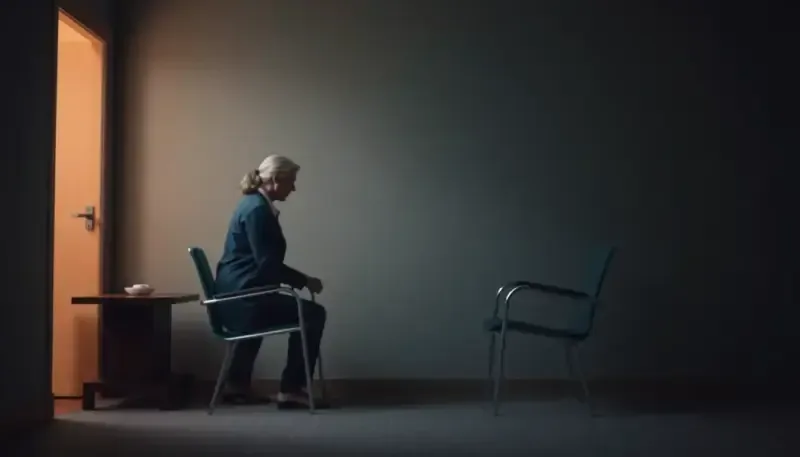
When placing a loved one in a nursing home or assisted living facility, we inherently trust that they will be cared for with compassion and respect. Unfortunately, this trust can be betrayed, leading to alarming situations of abuse and neglect. If you suspect that a family member is suffering from mistreatment, it is essential to take action.
The harsh reality is that elder abuse is becoming increasingly prevalent, with disturbing statistics revealing that one in four nursing homes in Kansas has been cited for causing significant harm to residents.
The forms of abuse that seniors may face range from physical violence to emotional neglect. Vulnerable individuals, particularly those living with dementia or other disabilities, are at an even greater risk. Recognizing the signs of abuse is crucial for ensuring their safety and well-being. Below, we will explore the various types of nursing home abuse, as well as the steps you can take if you suspect that a loved one is in danger.
Understanding the Different Types of Nursing Home Abuse
Nursing home abuse can manifest in several forms, each with its own devastating consequences. Understanding these types can help you identify potential issues early on. Here are the most common types of abuse:
- Physical Abuse: This includes any form of violence or physical harm inflicted on a resident, such as hitting, slapping, or restraint.
- Emotional Abuse: Verbal assaults, threats, and manipulation fall under this category, leading to psychological harm and a decline in mental health.
- Sexual Abuse: Unwanted sexual contact or exploitation of residents is a grave violation of their rights and dignity.
- Neglect: Failing to provide essential care, such as food, water, shelter, or medical attention, can lead to severe health consequences.
- Financial Abuse: This involves the illegal or improper use of a resident's financial resources, often by those in positions of trust.
Recognizing the Signs of Nursing Home Abuse
Identifying the signs of abuse is critical for taking timely action. Victims may be reluctant to speak out due to fear of retaliation or embarrassment. Here are some warning signs to watch for:
- Physical injuries such as bruises, fractures, or unexplained wounds.
- Signs of neglect, including poor hygiene or unsanitary living conditions.
- Behavioral changes like withdrawal, agitation, or fearfulness.
- Frequent crying spells or sudden changes in mood.
- Complaints about treatment from the resident or their family.
- Signs of malnutrition or dehydration.
- Bed sores or untreated medical conditions.
If you observe any of these warning signs, it is vital to act quickly to protect your loved one.
Taking Action Against Nursing Home Abuse
If you suspect that a family member is experiencing abuse, it is critical to take immediate action. Here are some steps you can follow:
- Document Evidence: Take photographs of any visible injuries, keep records of conversations, and gather any relevant medical records.
- Communicate: Speak to the facility administration about your concerns. It is essential to express your observations clearly and assertively.
- Report the Abuse: Contact your local regulatory agency or adult protective services to report the incident. This can help ensure that the facility is investigated.
- Consult Legal Counsel: Speak with an attorney experienced in nursing home abuse cases. They can guide you through the legal process and help secure justice for your loved one.
How Our Nursing Home Abuse Attorneys Can Assist You
At DeVaughn James Injury Lawyers, we understand the profound emotional and physical toll that nursing home abuse can inflict on victims and their families. Our team of dedicated attorneys has over 30 years of experience advocating for the rights of those affected by such injustices. We are committed to helping you recognize the signs of abuse and navigating the complex legal landscape to seek justice and compensation for your loved one.
If you believe that a family member is at risk of abuse, please do not hesitate to reach out. Our attorneys are available around the clock to provide the support and guidance you need. Your loved one's safety and rights are our top priority.
Contact us today at 316-888-8888 to discuss your concerns and find out how we can help protect your loved ones.
For further insights, you may find this video resource helpful in understanding nursing home abuse:
Protecting our elderly population requires vigilance and action. By being informed and proactive, we can help reduce the risk of nursing home abuse and ensure that our loved ones receive the care and respect they deserve.