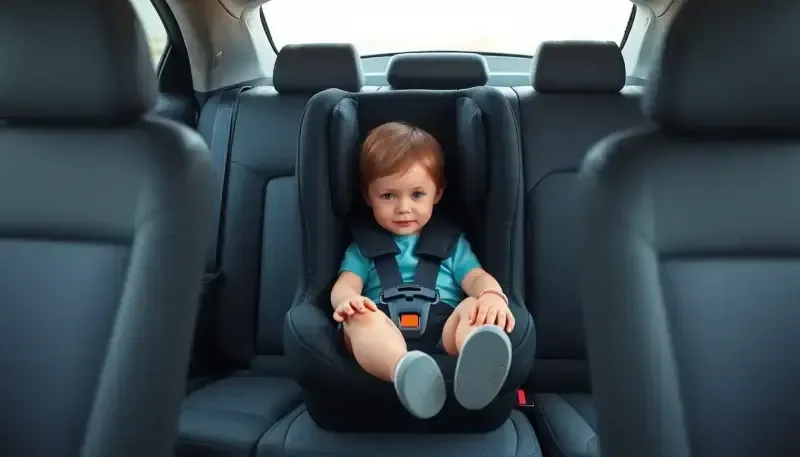
Ensuring the safety of children while traveling in vehicles is a critical responsibility that every parent must take seriously. Astonishingly, studies reveal that a significant number of child passenger seats are misused, putting young lives at risk. This article explores the alarming statistics surrounding child passenger safety, the laws in place to protect children, and practical tips for ensuring that car seats are used correctly.
Understanding the statistics on child passenger safety
Road injuries rank among the leading causes of unintentional fatalities for children in the United States. Shockingly, one in four child deaths is linked to incidents occurring while the child is a passenger in a vehicle. Each year, over 600 children tragically lose their lives not as pedestrians or cyclists, but while riding in motor vehicles involved in accidents.
Despite a notable decline in fatalities from 1975 to 2012, the current statistics remain alarming. Presently, nearly 14 children suffer serious injuries in road crashes across the country every day. Furthermore, approximately 600,000 children are transported without any form of safety restraints annually, highlighting a significant gap in child safety practices among parents.
Are parents prioritizing child safety adequately?
The data suggests a concerning trend regarding the level of protection provided by parents. Here are some key figures that illustrate the issue:
- 37% of children who perish in car accidents each year were not restrained at all.
- Nearly 55% of children aged 4 to 7 are transported without booster seats.
- Approximately 25% of children are secured solely with seat belts, which are inadequate for their size.
- Almost 10% of children ride unrestrained in vehicles.
Child passenger safety laws in Kansas
Kansas has established comprehensive laws aimed at safeguarding child passengers. These regulations outline specific requirements for safety gear and seating arrangements based on the child’s age. Here are fundamental guidelines to follow:
- Children under one year old must be secured in a rear-facing car seat.
- Children under four should remain in a rear-facing car seat for as long as possible.
- Kids aged 4 to 8 are required to use a booster seat unless they exceed the height and weight requirements of 4 feet 9 inches and 80 pounds.
- All passengers under 18 are mandated to wear seat belts while the vehicle is in motion.
Parents unsure about the proper installation of child safety seats can access free fitting stations across the state. Additionally, low-income families may find resources through organizations like Safe Kids Kansas to help them obtain necessary safety equipment.
Consequences of violating child passenger safety laws
Non-compliance with the Child Passenger Safety Act of Kansas results in a $60 fine, in addition to any applicable court costs. This underscores the seriousness of adhering to these regulations.
The importance of using the correct car seat and restraint system
Nearly 50% of car and booster seats are misused in ways that prevent them from offering adequate protection. On average, three installation errors are found in most booster seats, contributing to a staggering 90% rate of improper use of car seats for child passengers. To help ensure the safety of your child while traveling, consider the following guidelines:
Infants
- Infants under one year old and weighing less than 20 pounds should always be placed in rear-facing car seats.
- Ensure the shoulder straps are positioned below the child’s shoulders in a rear-facing seat.
- Never position a rear-facing car seat in front of an active airbag.
Toddlers
- Use a forward-facing car seat with a five-point harness for children older than one and weighing more than 20 pounds.
- Keep your child in a five-point harness seat until they are at least four years old and weigh 40 pounds.
- When using a forward-facing seat, ensure that the harness strap is positioned above the child's shoulders.
Ages 4 to 12 years
- Transition your child to a belt-positioning booster seat only after they turn four and reach a minimum weight of 40 pounds.
- Ensure the child is secured with both lap and shoulder belts when using a booster seat.
- Always place the booster seat in the back seat of the vehicle.
- Children under 12 years should not be allowed to sit in the front seat.
- Check that the lap belt fits snugly across the hips and the shoulder belt crosses the chest and shoulders correctly.
Why using the proper car seat is crucial
- Restraining children aged 0 to 3 in the rear seat instead of the front can reduce the risk of fatal injury by 75%.
- Children aged 4 to 7 have a 50% lower risk of fatal injuries when seated in rear-facing car seats.
- Newborns and toddlers face a 76% greater risk of life-threatening injuries in forward-facing seats.
- High-back booster seats can lower the risk of serious injuries by nearly 50%.
- Children riding in the middle rear-facing seat have a 46% lower risk of severe injuries during crashes.
When is it safe to switch to adult safety belts?
- Children can transition to adult safety belts when they can sit back in the seat with feet flat on the floor.
- Seat belts should fit snugly across the hips, chest, and shoulders, without the child needing to shift or slouch.
As a general guideline, children should not ride in the front seat until they are at least 13 years old. Not only is this a safety consideration, but it reduces distractions for the driver.
Additional safety tips for keeping children secure
- Refer to your vehicle’s manual for optimal installation locations for booster and safety seats.
- Avoid bringing toys into the car, as children may attempt to escape their safety seats to reach them.
- If toys must be transported, choose soft options that pose minimal risk in a crash.
- Never leave your child unattended in the vehicle, regardless of the time of year.
- Consistently buckle up, as drivers who prioritize seat belt use tend to ensure all passengers are securely restrained.
Explore further resources for child passenger safety
- IIHS.org Child Safety
- CDC.gov Child Passenger Facts
- NHTSA.gov Crash Stats
- Kansas Highway Patrol – Child Passenger Safety
To further understand the significance of correct car seat usage, you might find this informative video insightful: