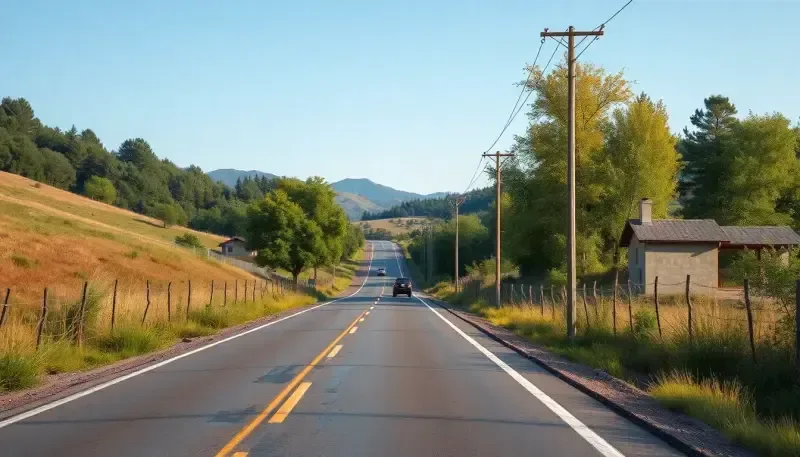
Driving can be a liberating experience, allowing us to explore beautiful landscapes and enjoy the serenity of nature. However, navigating rural roads comes with its own set of challenges and dangers that every driver should consider. Whether you're heading out for a weekend getaway or commuting through the countryside, understanding the unique traits of rural roads can help ensure a safer journey.
Did you know that nearly 55% of all road fatalities occur on rural roads? This alarming statistic highlights the need for vigilance when driving in less populated areas. Despite only a fraction of the population living in these regions, the risk on country roads is significantly higher compared to urban highways.
In this article, we will delve into the factors that contribute to the dangers of rural driving and offer practical tips to enhance your safety on these picturesque yet perilous routes.
Understanding the Dangers of Rural Roads
Rural roads, often characterized by their expansive landscapes and lower traffic volumes, can paradoxically be more hazardous than busy urban streets. Several factors contribute to this increased risk:
- Complacency: Drivers may feel a false sense of security due to the lack of congestion, which can lead to speeding and neglecting safety protocols.
- Emergency Response Times: The remoteness of rural areas often means longer wait times for medical assistance in the event of an accident.
- Outdated Road Design: Many country roads are not designed to accommodate modern traffic, leading to dangerous conditions.
- Wildlife Hazards: The likelihood of encountering animals on the road increases, especially during dawn and dusk.
- Narrow Lanes: Many rural roads lack adequate space, making it easy for drivers to swerve and lose control.
- Variable Conditions: Weather can change rapidly, and poor road conditions such as potholes and soft patches can arise unexpectedly.
Essential Tips for Driving Safely on Country Roads
To navigate rural roads safely, it's crucial to adopt a cautious and prepared approach. Here are some key strategies to keep in mind:
1. Navigation Skills
Relying solely on GPS can be misleading in rural areas. Ensure you:
- Use a reliable map as a backup.
- Familiarize yourself with the route before you start driving.
- Keep your navigation system updated to reflect any recent road changes.
2. Prioritize Safety
Always practice safe driving habits. This includes:
- Wearing Seatbelts: Ensure all passengers buckle up.
- Fuel Up: Fill your tank before leaving populated areas.
- Emergency Kit: Carry a kit that includes a flashlight, first-aid supplies, food, and water.
3. Maintain Appropriate Speed
Adjust your speed based on road conditions and visibility. Remember:
- Do not exceed the posted speed limits.
- Be prepared to stop within the distance you can see ahead.
- Reduce speed in narrow lanes and poor visibility conditions.
4. Be Aware of Topography
Rural roads can be challenging due to their natural features. Keep an eye out for:
- Sharp curves that create blind spots.
- Hilly areas that may require shifting to a lower gear.
- Visibility issues caused by dust or smoke from agricultural activities.
5. Watch for Other Vehicles
Expect to share the road with various types of vehicles, such as:
- Farm machinery that moves slowly.
- Large trucks and trailers.
- Motorcycles, which may be less visible.
6. Be Cautious of Road Conditions
Roads can be unpredictable. Stay alert for:
- Potholes and gravel patches that can reduce traction.
- Steep inclines and declines requiring careful gear management.
- Weather-related hazards such as ice or flooding.
7. Prepare for Wildlife Encounters
Animals can unexpectedly cross your path, particularly at dusk and dawn. To minimize risks:
- Reduce speed when driving in areas known for wildlife.
- Be cautious of domestic animals that may stray onto the road.
- Stay vigilant and avoid sudden movements that could alarm animals.
Planning Your Journey
Before setting out on a rural adventure, consider the following:
- Weather Conditions: Always check forecasts and be prepared for sudden changes.
- Vehicle Maintenance: Ensure your vehicle is in good working order, including brakes and tire pressure.
- Know Your Route: Familiarize yourself with the roads and any potential hazards along the way.
Exploring Country Road Culture
Rural roads often offer much more than just a means of transportation. They are a gateway to experiencing local culture, stunning landscapes, and community life. While navigating these roads, take time to:
- Visit local shops and eateries that showcase regional cuisine.
- Explore scenic overlooks and natural parks.
- Engage with local communities and understand their way of life.
As you drive through these idyllic landscapes, remember to respect the environment and the people who call these places home. Your journey on rural roads can be both safe and enriching when approached with care and awareness.
For more insights into driving safety and navigating rural roads, you might find this video helpful:
By following these guidelines and staying alert, you can navigate rural roads with greater confidence and safety. Embrace the journey, and enjoy the beauty that comes with driving through the countryside!