In a world where safety and awareness for children with autism are increasingly prioritized, the introduction of specific signs to alert the public is a significant step forward. These signs aim to enhance the safety of children who may have a tendency to wander, providing parents and caregivers with a sense of relief.
This article explores the story behind the new autism safety signs, their impact on communities, and the broader implications for autism awareness.
The Need for Autism Safety Signs
Many children on the autism spectrum exhibit behaviors that can pose safety risks, such as running away or wandering. This phenomenon, often referred to as "elopement," can be particularly alarming for parents. These signs serve not only as warnings but also as crucial communication tools that inform the public about the presence of children who might need extra attention and care.
Statistics indicate that a significant percentage of children with autism will wander at some point. The National Autism Association reports that more than 50% of children with autism engage in this behavior. This alarming figure underscores the necessity for community awareness and proactive measures to safeguard these children.
What is the new symbol for autism?
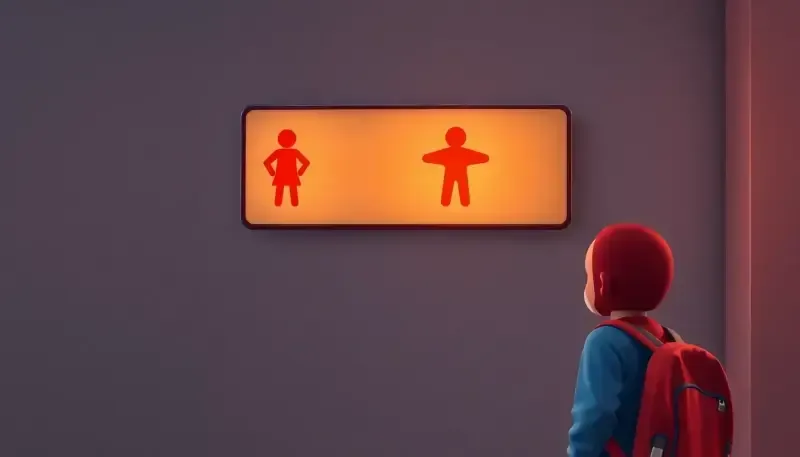
The new symbol for autism is designed to be instantly recognizable and to convey a message of safety and awareness. This symbol typically features an image that signifies a child with autism, accompanied by clear text that indicates the child may be prone to wandering.
- Colorful Designs: The symbol often includes bright colors to attract attention.
- Clear Messaging: Text such as "Autistic Child" or "Caution: Child with Autism" is commonly used.
- Accessible Formats: The sign is available in various formats, including stickers and yard signs.
Such visual cues are essential, especially in neighborhoods where families with autistic children are present. By using these signs, communities can foster an environment of understanding and vigilance.
The Impact of Personal Stories
The story of Robert Streif highlights the real-life implications of this initiative. Robert, an eight-year-old boy with autism, has a natural affinity for running. His father, aware of the potential dangers, refers to him as a "runner," fearing that he might dart into traffic. This anxiety is a common experience for many parents of children with autism.
When Robert's family sought assistance in obtaining a safety sign, they faced challenges. Local officials expressed concerns about budget constraints and the potential precedent that providing such signs might set. However, the family's plight caught the attention of local attorneys, Dustin DeVaughn and Richard James, who stepped in to help.
Community Support and Legal Advocacy
In response to Robert's situation, the attorneys from DeVaughn James Injury Lawyers took it upon themselves to fund the creation of the safety sign. Their involvement illustrates the power of community support and the impact of advocacy in addressing the needs of vulnerable populations. By assisting Robert's family, they not only provided a physical sign but also raised awareness about the challenges faced by families with autistic children.
This act of kindness showcases how individuals and organizations can collaborate to make a difference in their communities. It also emphasizes the importance of legal and social advocacy in promoting safety measures for children with special needs.
Understanding the 10-second rule for autism
The "10-second rule" is a guideline often referenced in discussions about autism safety. It suggests that parents and caregivers should be vigilant and always keep their children within sight, especially in environments where there may be distractions. This rule underscores the importance of awareness and proactive measures to prevent wandering.
- Stay Alert: Always be aware of your child's position.
- Eliminate Distractions: Minimize environmental distractions that could lead to wandering.
- Teach Safety Skills: Instruct your child on basic safety concepts, such as staying close to caregivers.
Implementing the 10-second rule can help mitigate risks and ensure that children with autism remain safe in public spaces.
The Role of Technology in Enhancing Safety
In addition to visual signs, technology plays a crucial role in enhancing the safety of children with autism. Various devices and applications are designed to assist parents in tracking their children and ensuring their safety. Some of these technologies include:
- GPS Tracking Devices: Wearable devices that allow parents to monitor their child's location in real time.
- Mobile Apps: Applications that provide alerts when a child leaves a designated safe zone.
- Smart Tags: RFID tags that can be attached to clothing for easy identification.
These technological advancements complement the physical signs and create a comprehensive approach to safety for children with autism.
Community Awareness and Education
Raising awareness about autism and its associated challenges is essential for creating inclusive communities. Educational initiatives can help the public understand the behaviors of children with autism and the importance of safety measures.
Some effective ways to promote awareness include:
- Workshops and Seminars: Organizing events to educate parents, teachers, and the community.
- Distributing Informational Materials: Flyers, brochures, and signs that explain the needs of children with autism.
- Community Partnerships: Collaborating with local organizations to foster support networks.
By promoting understanding and education, communities can become more supportive environments for families affected by autism.
Conclusion
The introduction of safety signs for children with autism, like the one sought by Robert Streif's family, represents a significant advancement in community awareness and safety measures. By utilizing visual cues, community support, and technology, we can work towards a safer and more inclusive environment for all children. As more stories like Robert's emerge, they remind us of the importance of vigilance, compassion, and collaboration in addressing the needs of children with autism.
For those interested in learning more about the significance of these safety signs, check out this insightful video that delves into the topic: