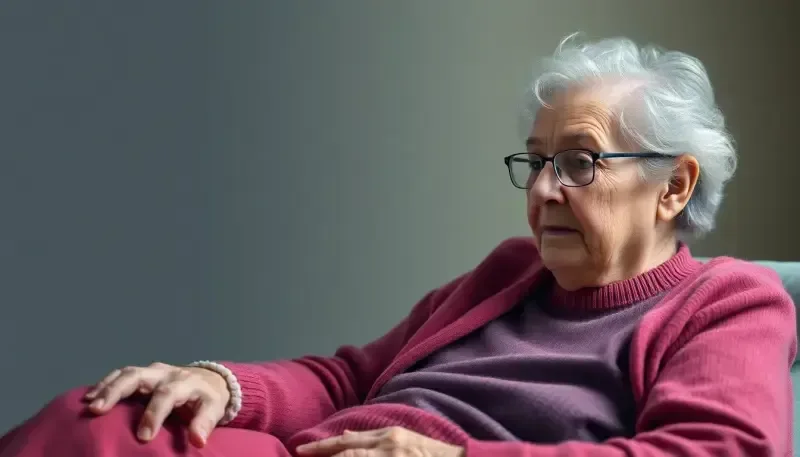
When it comes to the care of our elderly loved ones, nursing homes should represent a safe haven, providing compassion and assistance during their later years. However, the unfortunate reality is that many residents experience neglect and abuse. Understanding these issues is crucial for families striving to protect their loved ones.
In light of the growing concerns surrounding nursing home neglect and elder abuse, it's essential to recognize the signs and take appropriate actions. This article will explore various aspects of this pressing issue, offering insights and guidance for families who may be facing these distressing situations.
Understanding nursing home neglect and elder abuse
Nursing home neglect and elder abuse encompass a variety of harmful behaviors that deprive elderly residents of their basic rights and needs. Neglect often manifests as a failure to provide essential care, while abuse can take many forms, including physical, emotional, and financial. Understanding the distinctions and signs of each is vital for the well-being of residents.
- Physical abuse: Inflicting bodily harm or injury.
- Emotional abuse: Causing psychological harm through intimidation or humiliation.
- Financial exploitation: Illegally using an elder's funds or assets.
- Neglect: Failing to provide necessary care, leading to health issues.
Examples of nursing home neglect and elder abuse
Real-world examples of nursing home neglect and elder abuse illustrate the alarming conditions some residents endure. Common occurrences include:
- Bedsores: Also known as pressure ulcers, these painful sores develop when residents are not properly turned or repositioned.
- Malnutrition and dehydration: Inadequate meal provision or neglecting hydration can lead to severe health complications.
- Infections: Failure to maintain proper hygiene can result in serious infections.
- Falls: Lack of supervision or assistance can lead to preventable falls, causing fractures or head injuries.
- Financial abuse: Instances where caregivers exploit vulnerable residents for their financial gain.
Recent statistics on nursing home neglect and elder abuse (2022)
The prevalence of nursing home neglect and elder abuse is a significant concern, with data revealing disturbing trends:
- Approximately 1 in 3 nursing homes has been cited for abuse violations.
- Over 60% of nursing home residents experienced some form of abuse.
- Neglect is a significant factor in around 30% of nursing home-related fatalities.
How to identify warning signs of neglect and abuse
Recognizing the signs of nursing home neglect and elder abuse is critical for timely intervention. Families should be vigilant for indicators such as:
- Unexplained injuries or bruises.
- Signs of malnutrition or dehydration.
- Changes in behavior, such as withdrawal or fearfulness.
- Poor hygiene or unsanitary living conditions.
- Financial discrepancies or missing belongings.
What to do if you suspect nursing home neglect
If you suspect that a loved one is a victim of nursing home neglect or abuse, it is essential to take immediate action. Here are the steps to follow:
- Document everything: Keep detailed records of any signs of neglect or abuse.
- Report the situation: Contact the nursing home administration and state authorities.
- Seek medical attention: Ensure your loved one receives necessary medical care for any injuries.
- Consult with a lawyer: Explore legal options for pursuing justice and compensation.
Average nursing home neglect settlement amounts
The financial repercussions of nursing home neglect can be significant, both for the victims and the facilities involved. Settlement amounts vary widely based on the severity of the abuse, the extent of injuries, and the legal representation. On average, victims may receive settlements ranging from:
- Minor injuries: $10,000 - $50,000
- Moderate injuries: $50,000 - $150,000
- Severe injuries or wrongful death: $150,000 - $1 million or more.
NYS nursing home complaints and oversight
In New York State, oversight of nursing homes is crucial for protecting residents. Residents or their families can file complaints with the New York State Department of Health. This body investigates allegations of neglect and abuse, ensuring that facilities comply with state regulations.
Worst nursing homes in NYS: A closer look
While most nursing homes strive to provide quality care, some facilities have garnered negative attention due to repeated violations and incidents. These nursing homes typically face scrutiny due to:
- A history of serious violations.
- High rates of resident complaints.
- Poor staffing levels leading to inadequate care.
Preventing elder abuse in nursing homes
Preventing elder abuse requires a multifaceted approach involving staff training, regulatory oversight, and family involvement. Here are some effective strategies:
- Staff Education: Training staff on recognizing and preventing abuse is essential.
- Regular Audits: Conducting routine inspections helps ensure compliance with safety standards.
- Family Engagement: Encouraging family visits and communication fosters a supportive environment.
Resources for victims of nursing home neglect
Victims of nursing home neglect should know that they are not alone. Numerous resources are available to provide assistance and guidance:
- National Center on Elder Abuse
- Eldercare Locator
- American Psychological Association
If you suspect that you or a loved one is experiencing nursing home neglect or elder abuse, it is crucial to take action. For legal assistance and to ensure the protection of your rights, consider reaching out to a qualified attorney. Remember, you deserve to be safe and treated with dignity in your golden years.
If you are in Kansas, you can contact the following numbers for assistance:
In Wichita, Kansas call 316-888-8888
In Topeka, Kansas call 785-888-8888
In Kansas City, MO call 816-999-9999
For further understanding, consider watching this informative video on the topic: