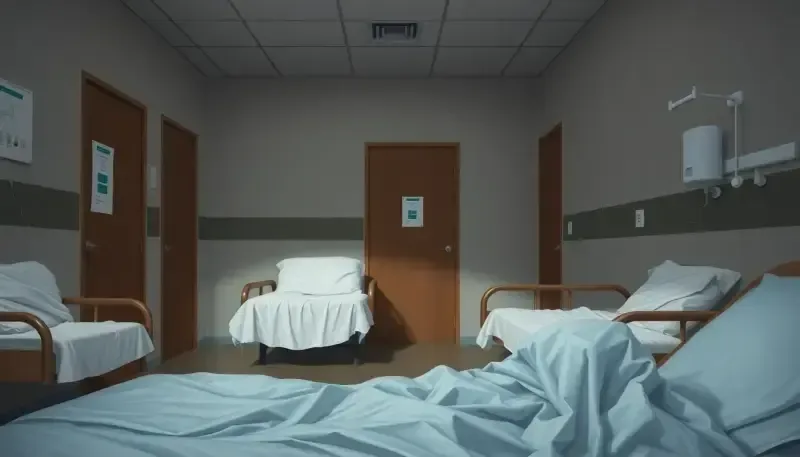
When it comes to the care of our elderly loved ones in nursing homes, ensuring their safety and well-being is paramount. Unfortunately, many residents face various risks due to neglect or inadequate care, which can lead to serious health issues. Understanding the signs of nursing home neglect is crucial to safeguarding those we care about.
Below, we explore common ailments associated with nursing home neglect and provide guidance on how to identify them.
Understanding the Risks of Falls in Nursing Homes
Falls are one of the leading causes of injury among the elderly, often resulting in severe outcomes such as fractures. Interestingly, in many cases, hip fractures occur first in women, leading to falls rather than the other way around. This can be attributed to conditions like osteoporosis, which weakens bones, or malnutrition that further compromises physical health.
To mitigate the risk of falls, nursing homes must implement several protective measures:
- Regular monitoring of residents, especially those at high risk of falling.
- Use of mobility aids such as walkers or canes.
- Ensuring that living spaces are free from hazards such as loose rugs or clutter.
- Training staff to assist residents in moving safely.
Without proper observation, a resident who falls may remain on the floor for extended periods, worsening any injuries sustained during the fall.
Bed-Related Strangulation and Suffocation Risks
As many elderly individuals spend significant time in bed, the risk of strangulation and suffocation increases, particularly for those with conditions like dementia. The federal government reports that between 20 to 30 deaths occur annually in nursing homes related to incidents involving bed rails or poorly fitting mattresses.
To prevent these tragic events, nursing homes should consider the following:
- Regular checks on residents to ensure they are safe in their beds.
- Using appropriate bed sizes and safety equipment.
- Educating staff on the dangers of bed rails and how to use them properly.
These precautions can significantly reduce the risk of serious injuries associated with bed use.
The Serious Issue of Bedsores
Bedsores, also known as pressure ulcers, are a common yet preventable condition that can arise when residents are confined to bed for prolonged periods. These sores can range from mild redness to severe wounds that penetrate deep into the skin and muscle, potentially leading to infections.
The stages of bedsores include:
- Stage 1: Redness on the skin that does not fade.
- Stage 2: Blistering or skin loss.
- Stage 3: Full-thickness skin loss with damage to underlying tissue.
- Stage 4: Extensive damage to muscle and bone.
Regular repositioning of residents and meticulous skin care are essential to prevent bedsores, and failure to do so can indicate neglect.
Dehydration: A Hidden Danger
Dehydration can occur due to neglect or as a result of cognitive impairments like dementia, which prevent residents from recognizing their thirst. This serious condition can lead to severe health complications, including kidney failure and increased risk of falls.
To combat dehydration, nursing homes should:
- Establish a hydration schedule for residents.
- Encourage fluid intake through regular reminders and assistance.
- Monitor residents' hydration levels and adjust care plans as necessary.
Such measures ensure that residents maintain adequate hydration, which is essential for their overall health.
Malnutrition in Nursing Home Residents
Malnutrition is a critical issue in nursing homes, particularly when individualized nutrition plans are not implemented. Inadequate nutrition can lead to a weakened immune system, increased susceptibility to infections, and greater risk of falls.
To address malnutrition, nursing homes should:
- Conduct regular assessments of each resident's dietary needs.
- Provide meals that cater to individual preferences and dietary restrictions.
- Engage residents in discussions about their nutritional needs.
Meeting these needs is vital to ensuring the residents’ health and safety.
Recognizing Signs of Nursing Home Neglect
It's essential to understand that the signs of nursing home neglect can overlap with those of abuse. Common indicators include:
- Unexplained injuries or bruises.
- Poor personal hygiene and unkempt living conditions.
- Withdrawal from social activities or sudden changes in behavior.
If you observe these signs in your loved ones, it is crucial to take action and seek help.
Reporting Neglect: What You Need to Know
Reporting nursing home neglect is a significant step in protecting vulnerable residents. You can report your concerns to:
- The nursing home's management.
- Local health department or regulatory agencies.
- Legal authorities specializing in elder abuse.
Documenting your observations and gathering evidence can strengthen your case if formal actions are necessary.
Understanding Nursing Home Abuse: Beyond Neglect
Nursing home abuse can take many forms, including physical, emotional, or financial exploitation. It is crucial to differentiate between neglect and abuse, as both pose serious risks to residents. Signs of abuse may include:
- Frequent unexplained injuries.
- Changes in mood or behavior.
- Insufficient care or excessive medication use.
If you suspect abuse, contacting an experienced nursing home abuse lawyer is advisable to discuss your concerns and potential actions.
For more information on this critical issue, you may find it helpful to watch this video on the warning signs of nursing home abuse:
At DeVaughn James Injury Lawyers, we are committed to representing families who have experienced neglect or abuse in nursing homes. If you have concerns about a loved one’s care, reach out to us at 316-888-8888. We are here to offer support and guidance 24/7.