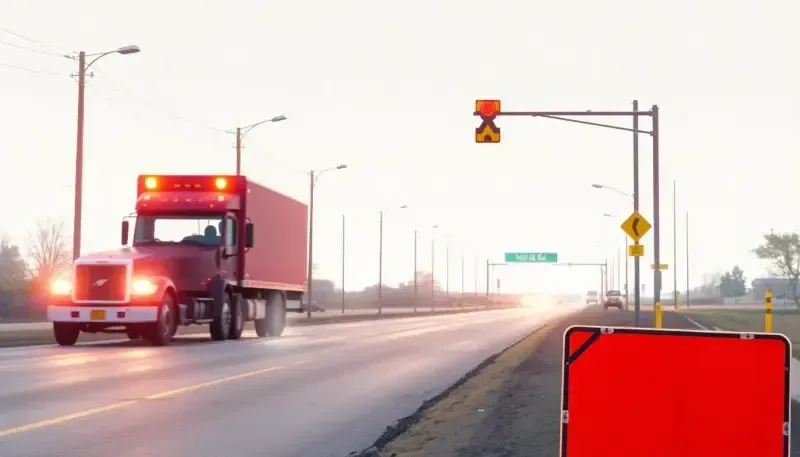
As the warmth of spring gives way to summer, road construction and maintenance projects begin to emerge across Wichita, Kansas. This seasonal change often brings about a range of challenges for drivers, from lane closures to detours that can lead to confusion and frustration. Understanding how to navigate these construction zones is crucial for ensuring your safety and that of others on the road.
Read on to equip yourself with essential tips for safely driving through work zones.
The alarming statistics behind accidents in construction zones
In 2022, the Kansas Department of Transportation (KSDOT) reported over 1,100 accidents in work zones statewide, resulting in 13 fatalities and more than 250 injuries. These figures highlight a troubling trend: the majority of these incidents occurred during daylight hours (73%) and under clear weather conditions (90%).
This data reveals that visibility is not as significant a factor as one might assume. Instead, a staggering 88% of the reported accidents were linked to driver-related issues, with inattention being the primary culprit. Other contributing factors included:
- Speeding
- Following too closely
- Sudden lane changes
- Violating right-of-way rules
Recognizing these statistics underscores the importance of vigilance while traversing construction zones. Ensuring safety is not only a personal responsibility but a shared obligation among all road users.
Where to find real-time information about road construction in Wichita
Staying informed about ongoing roadwork can significantly enhance your driving experience. Here are some valuable resources:
- The KanDrive interactive map: This user-friendly tool provides up-to-date information about current construction sites and road closures across Kansas.
- KSDOT resources: Offering a wealth of information, this platform includes details on construction projects specifically in Wichita and Sedgwick County.
Best practices for driving through construction zones
To navigate construction zones safely, follow these essential guidelines:
- Expect the unexpected: Work zones are dynamic environments where vehicles and machinery are frequently moved. Maintain your focus on the road and eliminate distractions, such as music or hands-free devices, to stay alert to sudden changes.
- Reduce your speed: As road conditions can be unpredictable, driving 5-10 mph below the posted speed limit is advisable. This precaution allows for better vehicle control and reaction time in potentially hazardous situations.
- Maintain a safe distance: Avoid tailgating to ensure you have adequate reaction time for unexpected maneuvers from other drivers. A safe distance can prevent collisions and enable you to respond effectively to sudden changes.
- Follow signs and flaggers: Construction zones are equipped with vital signage for your safety. Obey the posted signs and the directions of flaggers, who have the authority to direct traffic, much like a traffic signal.
- Enhance visibility: Driving with your headlights on improves your visibility, making it easier for other drivers and construction workers to see you, particularly in low-light conditions.
- Merging early: When approaching a lane closure, merge well in advance. Use your turn signal and yield to vehicles already in the merging lane to facilitate smooth transitions.
- Plan your route: Before heading out, check for any scheduled construction that may affect your travel. Being proactive can help you identify alternative routes, reducing stress and potential delays.
Understanding the role of worker safety in construction zones
The construction workers stationed in these zones perform critical duties, often in proximity to moving vehicles. Their safety is paramount, and as drivers, we share the responsibility of ensuring they can work without fear of accidents. Here are a few key measures that contribute to worker safety:
- Clear signage indicating the construction zone and the presence of workers
- Barriers that separate traffic from work areas
- Flaggers trained to manage traffic flow and ensure safety
By adhering to road safety laws and respecting these precautions, drivers can significantly reduce the risk of accidents and injuries.
What to do if an accident occurs in a construction zone
Despite taking all safety measures, accidents can still happen. Understanding how to respond is crucial:
- Ensure safety: First, check for injuries and ensure that everyone is safe. If anyone is hurt, call emergency services immediately.
- Move vehicles if possible: If the vehicles are drivable, move them to a safe location to avoid further collisions.
- Document the scene: Take photographs of the accident scene, including vehicle positions and any relevant road signs. This information can be vital for insurance claims.
- Exchange information: Collect contact and insurance details from the other drivers involved in the accident.
- Notify law enforcement: Even if the accident is minor, it’s advisable to report it to the police for an official record.
- Contact your insurance: Notify your insurance company about the accident as soon as possible to start the claims process.
Being prepared for accidents not only helps you stay calm but also ensures that you take the right steps to protect yourself and others.
Resources for further information
For additional tips and insights on driving safely through construction zones, consider watching this informative video:
At DeVaughn James Injury Lawyers, we advocate for safer driving practices and the well-being of all road users in Wichita. If you have been involved in an accident, we are here to help. Our experienced team understands the complexities of car accidents and is dedicated to ensuring you receive the compensation you deserve.
Don’t hesitate to reach out if you need assistance.