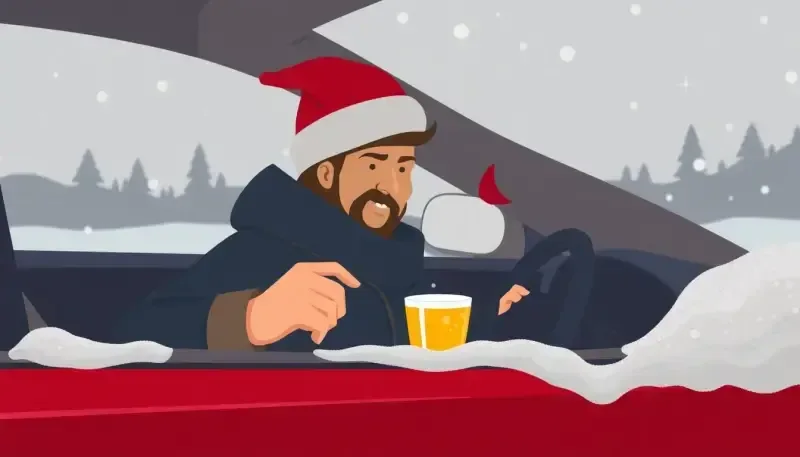
The holiday season is a time of joy, celebration, and togetherness, but it also brings with it a significant increase in alcohol consumption and travel. Unfortunately, this combination can lead to dangerous situations on the roads. As festivities ramp up, so do the statistics related to drunk driving incidents and accidents.
Understanding the risks and implementing proactive safety measures can make a crucial difference this season.
During the period from Thanksgiving to New Year's, American highways become heavily trafficked as families travel to reunite. According to reports, these 35 days are recognized as the busiest time of the year for long-distance road travel. However, the increase in vehicles on the road coincides with a spike in alcohol consumption, creating a perilous scenario for both drivers and pedestrians alike.
The surge in road accidents during the holidays
The period surrounding the holidays is notorious for being one of the most hazardous times to be on the road. In fact, the Insurance Institute for Highway Safety has identified December 23 as one of the ten deadliest days for driving in the United States. This alarming statistic highlights the critical need for awareness and caution.
Every day, around 100 deaths in the country are attributed to motor vehicle accidents. However, that number nearly doubles on specific days during the holiday season, including December 23 and January 1. Shockingly, approximately 60% of these fatalities involve a driver under the influence of alcohol, compared to only 31% on non-holiday days.
Additionally, pedestrians face heightened risks during this time. While about 13% of road fatalities typically involve pedestrians, that number can increase significantly during the holidays. Police departments nationwide often release advisories to remind the public of the elevated dangers associated with holiday driving.
Common misconceptions about alcohol consumption
A significant contributor to drunk driving incidents is the widespread misconception about alcohol and its effects. Many individuals believe that certain alcoholic beverages are "lighter" and thus less likely to impair their driving ability. However, the reality is that any amount of alcohol can affect cognitive function and motor skills.
- For example, consuming 6 ounces of wine can lead to the same level of intoxication as 12 ounces of beer or 1.5 ounces of hard liquor, such as vodka.
- The degree of intoxication is determined more by the amount of alcohol consumed than by the type of beverage.
- Importantly, once alcohol is consumed, it takes time for the body to metabolize it—no amount of caffeine or food will expedite this process.
Understanding these facts can help individuals make informed decisions about their drinking habits and driving plans during the holidays. Awareness of how alcohol affects the body is essential in promoting safer behaviors.
Planning ahead for a safe holiday
Enjoying the holiday festivities doesn’t mean you have to compromise safety. Planning ahead is crucial to ensure that you and your loved ones remain safe while celebrating. Consider implementing the following strategies:
- Designate a sober driver: Choose a responsible individual who will abstain from alcohol throughout the event.
- Utilize ride-sharing services: If a designated driver is unavailable, consider booking a ride-sharing service or taxi to ensure safe transport.
- Follow the one drink-one hour rule: Limit yourself to one alcoholic beverage per hour and consume food alongside your drinks to slow alcohol absorption.
- Host responsibly: If you’re hosting a gathering, consider refraining from drinking so you can ensure your guests return home safely.
By taking these proactive measures, you can significantly reduce the risk of accidents and promote a culture of safety during the holiday season.
Understanding the consequences of drunk driving
The ramifications of getting behind the wheel after drinking can be severe, impacting both your life and the lives of others. Here are some potential consequences:
- Legal repercussions: A DUI charge can lead to hefty fines, license suspension, and even jail time.
- Increased insurance rates: Convictions can cause your insurance premiums to skyrocket, making future coverage more expensive.
- Personal injury or fatality: Drunk driving can result in severe injuries or fatalities, affecting not just the driver but also passengers and innocent bystanders.
Being aware of these potential outcomes can serve as a deterrent and encourage individuals to make responsible choices regarding alcohol consumption and driving.
Promoting sober driving initiatives
To combat the alarming rates of drunk driving, several initiatives have been launched across the country. One notable program is the “Drive Sober or Get Pulled Over” campaign, which aims to raise awareness and encourage safer driving practices. This campaign includes various components:
- Public service announcements: Engaging commercials and advertisements that highlight the dangers of drunk driving.
- Community outreach: Events and informational sessions aimed at educating the public about the risks associated with alcohol consumption and driving.
- Collaboration with law enforcement: Increased patrols and checkpoints during the holiday season to deter impaired driving.
These efforts aim to foster a culture of responsibility and awareness, particularly during the high-risk holiday season.
The importance of education and awareness
Education plays a vital role in reducing drunk driving incidents. Parents, schools, and community organizations must work together to instill safe drinking behaviors and responsible decision-making in younger generations. Some approaches to consider include:
- Discussing alcohol effects: Open conversations about the impact of alcohol on the body and mind, emphasizing the importance of safe choices.
- Promoting alternative celebrations: Encouraging events that focus on fun activities without the need for alcohol.
- Peer mentorship: Engaging older teens to mentor younger peers about the risks of drinking and driving.
By fostering a culture of awareness and education, we can work together to reduce drunk driving incidents and create safer communities for everyone.
To further emphasize the importance of responsible driving during the holidays, consider watching this informative video:
Ultimately, the holiday season should be a time of celebration and togetherness, not tragedy. By understanding the risks, planning ahead, and making responsible choices, we can all contribute to a safer holiday experience for ourselves and our loved ones. Enjoy the festivities, but remember to stay safe!