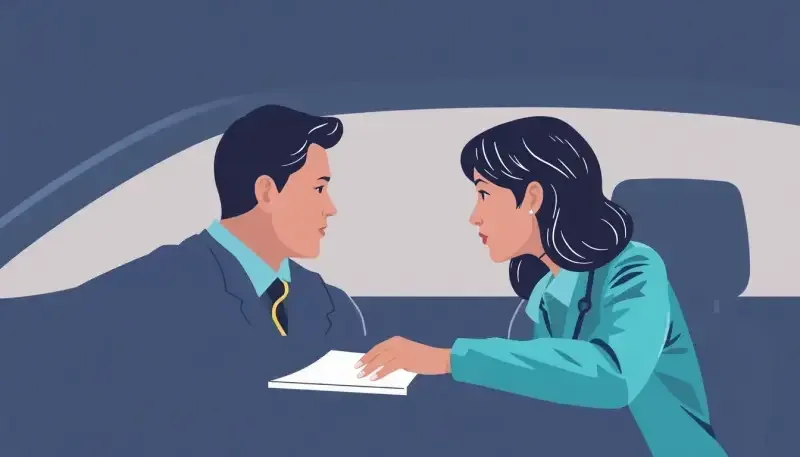
After an accident, many individuals find themselves receiving calls from the other driver's insurance company. This can be a confusing and concerning experience. It's essential to understand your rights and responsibilities when handling such communications.
Understanding the Role of the Other Driver's Insurance Company
When you're involved in a car accident, the other driver's insurance company may reach out to you for various reasons. Their primary goal is to gather information about the incident. However, it’s crucial to recognize that they represent the other party’s interests, not yours.
Insurance adjusters are trained to ask questions that may seem innocent but can be used against you later. This is why it's essential to be cautious about what you say during these conversations.
Why Is the Other Insurance Company Contacting Me?
There are several reasons why you might receive a call from the other driver's insurance company:
- To gather information about the accident and your perspective.
- To assess the extent of damages and injuries sustained.
- To determine liability and fault for the accident.
- To negotiate a settlement or compensation for damages.
While they may seem friendly and helpful, remember that their primary aim is to protect their bottom line, which may not align with your interests.
Should I Talk to the Other Driver's Insurance Company?
It's generally advisable to avoid discussing the accident with the other driver's insurance adjuster without legal representation. Here’s why:
- Your statements can be recorded and used against you later.
- They may attempt to minimize your claim or shift blame onto you.
- Providing too much information might complicate your case.
If you feel pressured to respond, consider consulting with a legal expert first. They can guide you on how to handle communications with the other party’s insurance.
What Not to Say When Talking to an Insurance Company
When you do find yourself in a situation where you need to communicate with an insurance adjuster, keep in mind the following:
- Avoid admitting fault or apologizing, as this can be interpreted as an acceptance of blame.
- Don't provide unnecessary details about your medical history or pre-existing conditions.
- Refrain from discussing your financial situation or any personal information that isn't relevant to the accident.
Staying concise and focused on the facts can help protect your rights.
Should I File a Claim with My Insurance If I’m Not at Fault?
You may wonder whether to involve your own insurance company if you believe you are not at fault. Here are some considerations:
- Filing a claim with your insurance can expedite repairs and medical payments.
- Your policy may cover costs even if you are not liable.
- Involvement with your insurer may also provide an additional layer of protection during potential disputes.
Consulting with an attorney can help you decide the best course of action based on your circumstances.
How Long Do You Have to Call Your Insurance Company After an Accident?
Most insurance policies require you to report an accident promptly. Generally, you should notify your insurer within 24 to 48 hours. Delaying this notification could result in complications or even denial of your claim.
Check your policy for specific timelines and procedures to ensure compliance.
Will the Other Insurance Company Contact Me?
Yes, it is quite common for the other driver's insurance company to reach out after an accident. They may contact you to gather information or to negotiate a settlement. However, remember that you are not obligated to provide statements until you have spoken with a legal professional.
Is It Normal for the Other Person's Insurance to Call Me?
Yes, it is standard practice for insurance companies to contact all parties involved in an accident. However, it is crucial to remain cautious during these calls. Understand that the adjuster’s goal is to protect their client’s interests.
For a deeper understanding of whether you should engage with the other party's insurance, consider watching informative videos that address these concerns. Here's a useful resource:
Do You Have to Talk to the Other Person's Insurance Company?
No, you are not legally required to speak with the other person's insurance company. It's within your rights to refuse to provide information until you have legal representation. This can help ensure that your interests are protected throughout the process.
Should I Talk to the Other Insurance Company After an Accident?
Ultimately, while you may receive calls from the other driver's insurance company, it is often best to refrain from discussing the incident until you consult with a qualified attorney. Taking this precaution can safeguard your interests and prevent potential complications in your case.