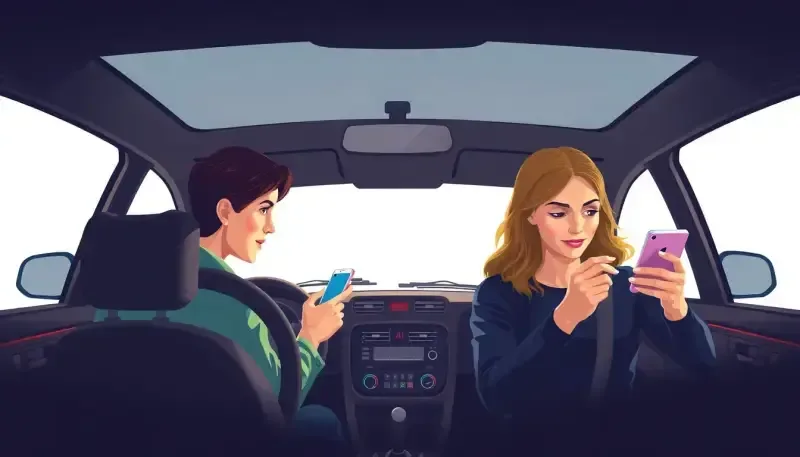
In a world where technology is ever-present, the convenience of cell phones has come at a significant cost. While many drivers believe that simply talking on the phone is safer than texting, research indicates otherwise. Understanding the true dangers of using a mobile device while driving is essential for ensuring safety on the roads.
As we dive into this pressing issue, it’s critical to explore the facts and statistics that reveal the alarming truth about distracted driving. This article will break down the risks associated with both texting and talking on the phone while behind the wheel, highlighting why neither practice is safe.
Why texting while driving poses a significant danger
Texting while driving is often cited as one of the most dangerous distractions on the road. This behavior requires drivers to take their eyes off the road, hands off the wheel, and minds off the task of driving, which dramatically increases the risk of accidents.
- The National Highway Traffic Safety Administration (NHTSA) reports that texting while driving increases the likelihood of a crash by 23 times compared to non-distracted driving.
- Research shows that the average time a driver spends looking at their phone while texting is approximately 5 seconds. At 55 mph, this equates to driving the length of a football field without looking.
- Texting is not just about sending messages; it involves reading notifications, checking social media, and responding to emails, all of which divert attention from the road.
Understanding the risks of talking on the phone while driving
Despite the common belief that talking on a hands-free device is a safer alternative to texting, studies show that this type of distraction is equally hazardous. Engaging in conversation can still divert attention from the driving environment, leading to dangerous situations.
- A study by the AAA Foundation for Traffic Safety found that nearly 40% of drivers reported being involved in a crash or near-miss while talking on the phone.
- Using a hands-free device does not eliminate the cognitive distraction caused by the conversation itself. The brain remains engaged in the dialogue, which competes for attention with the driving task.
- Researchers at the University of Utah concluded that the risks associated with talking on a cell phone, whether handheld or hands-free, are comparable to the risks of driving under the influence of alcohol.
Statistics that shed light on the dangers of cell phone use
The numbers provide a stark illustration of the dangers posed by distracted driving. Understanding the scope of this issue can help raise awareness and encourage safer driving habits.
- According to the National Safety Council (NSC), approximately 25% of all car accidents in 2014 were linked to cell phone usage.
- Only 5% of these incidents involved texting, suggesting that talking on the phone or other forms of cell phone use account for a substantial number of accidents.
- Over 1.5 million crashes annually are attributed to cell phone use, illustrating a significant public safety concern.
- Cambridge Mobile Telematics found that more than half of all auto accidents are linked to some form of cell phone distraction.
- In Kansas, studies found that 1 in 4 accidents is tied to inattentiveness, with cell phone usage often being underreported.
Dispelling the myth: Hands-free devices are not safe
The assumption that hands-free devices eliminate distractions is misleading. While they keep a driver’s hands free, they do not alleviate the cognitive load that comes with conversation. This misconception can lead to increased risks on the road.
Research indicates that the average distraction time for drivers using handheld devices is comparable to those using hands-free options, with both averaging over 3 minutes of distraction time. This is significant when considering the potential for accidents during that period.
Understanding cognitive load and its impact on driving
The cognitive demands of talking on the phone while driving can be significant. A study by the NSC evaluated the mental workload associated with various forms of cell phone usage, revealing some key insights.
| Method of Communication | Mental Workload Rating |
|---|---|
| Handheld device | 2.45 |
| Hands-free device | 2.27 |
| Speech-to-text applications | 3.06 |
The differences in mental workload are minimal, indicating that both methods can be equally distracting, leading to impaired driving performance.
Moreover, a study published in the Journal of Safety Research highlighted that hands-free devices do not offer a safety advantage over handheld phones. This emphasizes the importance of recognizing that any cell phone usage while driving carries inherent risks.
How to stay safe while driving
The best way to avoid distractions caused by cell phones is simple: avoid using them while driving altogether. Here are some practical tips for drivers:
- Silence your phone or activate airplane mode before starting your journey.
- Use mobile apps that disable notifications while driving to help minimize distractions.
- Plan your route in advance and set your GPS before hitting the road.
- If you must make a call or send a text, pull over safely to a rest area.
- Encourage passengers to assist with any mobile device needs while you focus on driving.
By taking proactive measures, you can significantly reduce the risks associated with distracted driving.
If you or someone you know has been affected by an accident involving a distracted driver, it’s essential to seek legal guidance. You have the right to claim compensation for injuries and damages incurred due to another driver's negligence.
Contact DeVaughn James Injury Lawyers for assistance in navigating the complexities of personal injury claims related to distracted driving.
References: