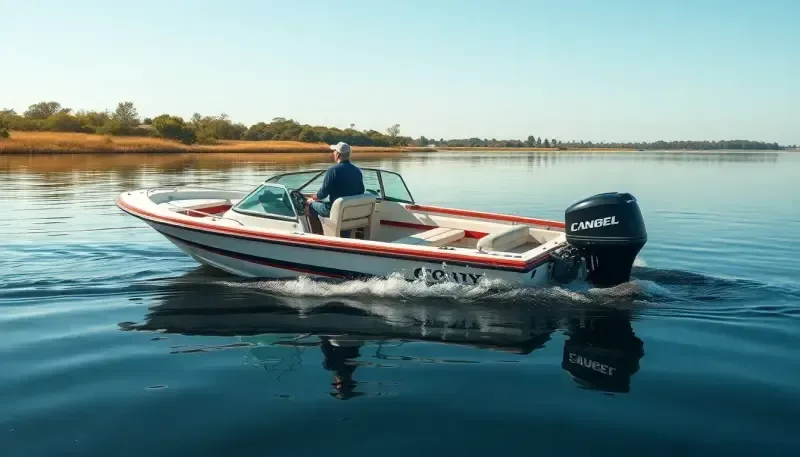
Inland states like Kansas may not be the first place that comes to mind when you think of boating, but with over 150 lakes and reservoirs, it offers ample opportunities for aquatic recreation. While this can mean fun in the sun, it also heightens the risk of boating accidents. Understanding the legal landscape surrounding these incidents can be crucial, especially if you find yourself in a complicated situation.
This guide will help you navigate the waters of personal injury law in the context of boating accidents in Kansas.
Understanding the Need to Report Boating Accidents in Kansas
In Kansas, not all boating accidents require a report, but specific conditions mandate legal documentation. Knowing when you are required to report an incident is essential for compliance and your protection.
- Injuries or Fatalities: If the collision results in serious injuries that require medical treatment beyond first aid or any loss of life, you must report it to the authorities within 48 hours.
- Property Damage: Should the property damage exceed $2,000 or if the vessel is a total loss, a report must be filed within 10 days.
- Disappearance of a Person: If someone goes missing during the accident, indicating potential injury or death, a report is mandatory.
Neglecting to report an accident when required can lead to legal repercussions. For more detailed information, visit Kansas Department of Wildlife, Parks and Tourism.
Recognizing When to Hire a Boating Accident Lawyer
Deciding when to consult a lawyer after a boating accident can be a pivotal decision. Factors such as the severity of injuries, potential costs, and questions surrounding liability play significant roles. Here are some situations where hiring an attorney is especially advisable:
- Severe Injuries or Fatalities: If serious injuries have occurred that may lead to long-term consequences, or if a loved one has died as a result of the accident, engaging a lawyer is crucial for navigating compensation and wrongful death claims.
- Liability Disputes: If there is uncertainty regarding who is at fault for the accident, a qualified attorney can help prove liability and represent your interests in negotiations.
- Insurance Complications: If your claim has been delayed, denied, or undervalued, legal representation can help ensure you receive a just settlement.
- Criminal Charges: In cases where criminal charges such as DUI are involved, a skilled lawyer can protect your rights and provide essential guidance.
Key Tips for Selecting the Right Boating Accident Attorney
Finding the right legal representation can make a significant difference in your case's outcome. Here are five essential tips for selecting the best boating accident lawyer:
- Specialized Experience: Choose an attorney with a strong background in maritime law and experience handling boating accident cases specifically.
- Track Record of Success: Ask about the attorney's history with similar cases. A proven success rate can offer reassurance about their capabilities.
- Effective Communication: Opt for an attorney who actively listens, is responsive to your inquiries, and keeps you informed throughout the process.
- Local Expertise: Selecting a lawyer familiar with local waterways and courts can enhance your case, as they understand specific legal nuances.
- Client Feedback: Research online reviews and testimonials or ask for references to gauge the attorney's reputation and effectiveness.
The emotional and physical toll of a boating accident can be overwhelming. It can turn moments of enjoyment into distressing experiences, and navigating the claims process adds another layer of complexity.
Steps to Take Immediately After a Boating Accident
Knowing what to do in the aftermath of a boating incident can significantly affect legal outcomes and health. Here are the critical steps to follow:
- Ensure Safety: First and foremost, check for injuries and ensure everyone is safe. If there are injuries, seek medical attention immediately.
- Document the Scene: Take photos of the accident site, damaged vessels, and any visible injuries. This evidence will be invaluable later.
- Gather Information: Collect contact information and insurance details from all parties involved, as well as witness statements if possible.
- Report the Incident: If the circumstances require, report the accident to the appropriate authorities as mentioned earlier.
- Consult a Lawyer: Reach out to a boating accident lawyer promptly to discuss your case and explore your options.
To better understand the process following an accident, consider watching this informative video that outlines the essential first steps:
Understanding the Statute of Limitations in Kansas
The statute of limitations for personal injury claims in Kansas is generally two years from the date of the accident. It is crucial to be aware of this timeline, as failing to file within the stipulated period can lead to losing your right to sue. Exceptions exist, particularly in cases involving minors or when the injured party is incapacitated, but it's best to consult an attorney to understand your specific situation fully.
Importance of Legal Guidance in Boating Accident Cases
Boating accidents can lead to a tangled web of legal challenges, from navigating insurance claims to understanding maritime laws. The expertise of a knowledgeable attorney can help steer you through this complex landscape, ensuring you receive fair compensation for your injuries and losses. Our boating accident attorneys are dedicated to helping victims in Kansas secure the compensation they deserve. Contact our personal injury lawyers in Topeka, Kansas today at 785-888-8888 or 316-888-8888 to start your journey toward recovery.