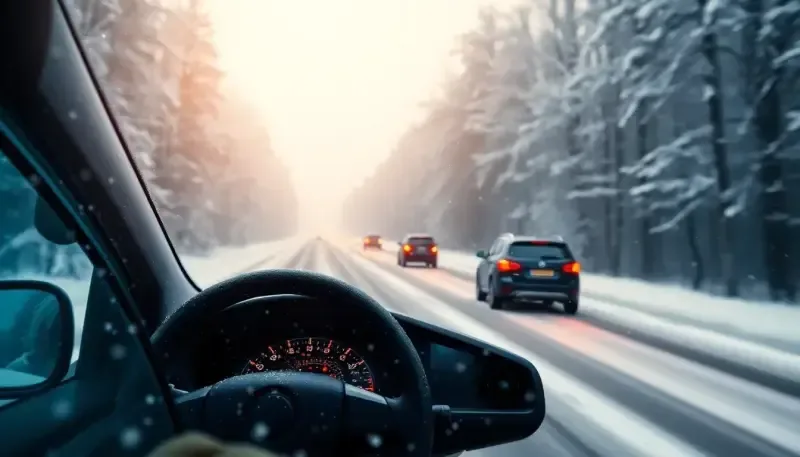
As winter approaches, the importance of being prepared for driving in harsh conditions becomes even more apparent. The safety of you and your loved ones hinges on proper vehicle maintenance and an understanding of the unique challenges that winter driving can present. Whether you're navigating icy roads or dealing with heavy snowfall, knowing how to equip your vehicle and handle the road can make all the difference.
From checking essential vehicle components to assembling an emergency kit, the steps you take now can significantly impact your safety during winter travels. Let’s delve into the crucial aspects of winter driving safety and prepare you for the icy roads ahead.
Winter driving safety tips
Being proactive about winter driving safety can prevent accidents and breakdowns. Start by ensuring your vehicle is in optimal condition for the cold months ahead. Here are key areas to focus on:
- Tires: Check the air pressure and tread depth. Ensure they are suitable for winter conditions, and consider investing in winter tires if you live in an area prone to heavy snowfall.
- Fluids: Keep your windshield washer fluid topped off with a winter formula that won't freeze. Check the antifreeze levels and use the appropriate oil for colder temperatures.
- Battery: Cold weather can drain batteries quickly. Get your battery tested, especially if it's over three years old.
- Lights: Ensure all vehicle lights are functioning properly. This includes headlights, brake lights, and turn signals, as visibility is critical in winter conditions.
- Wipers: Replace worn wipers and use winter-grade blades that can handle snow and ice.
- Fuel: Keep your gas tank at least half full to avoid fuel line freeze and to ensure you can run the heater if stranded.
Preparing your vehicle for winter
Preparation is key to safe winter driving. Before hitting the road, consider conducting a thorough inspection of your vehicle. This should include checking:
- Belts and hoses for any signs of wear or damage.
- The heating system to ensure it operates properly.
- Brakes for responsiveness and efficiency.
- The exhaust system for leaks, which can be dangerous in enclosed spaces.
By addressing these areas, you'll minimize the risk of breakdowns and enhance your vehicle's performance in harsh weather.
Assembling an emergency kit
When driving in winter weather, your vehicle can become your temporary refuge. Thus, having an emergency kit is essential. Here’s what to include:
- Flares to signal for help.
- A first-aid kit for minor injuries.
- Warm blankets and additional clothing layers.
- Gloves and hats to keep warm.
- A small shovel to clear snow.
- Non-perishable snacks and water for sustenance.
- A flashlight with extra batteries.
This emergency kit can be a lifesaver if you find yourself stranded due to inclement weather.
Driving techniques for winter conditions
Driving in winter requires a different skill set compared to other seasons. Here are fundamental techniques to enhance your safety on the road:
- Clear snow and ice: Before starting your journey, ensure that your tires and windshield are free of snow and ice to maintain visibility and traction.
- Accelerate gradually: Sudden acceleration can cause your wheels to spin, so apply gas gently.
- Maintain a safe speed: Drive well below the speed limit, especially on icy roads, and adjust your speed according to conditions.
- Increase following distance: Allow for more space between your vehicle and the one in front to give yourself ample time to react.
- Steering and braking: Make all movements gradual; avoid sudden steering or braking, as this can lead to skidding.
Understanding winter driving hazards
Winter driving hazards are numerous and can vary greatly based on the conditions. Some common hazards include:
- Black ice: This nearly invisible layer of ice forms on roads and can lead to unexpected skids.
- Snowdrifts: Accumulated snow can create mounds on the road that obscure visibility or dictate navigational challenges.
- Reduced daylight: Shorter days can lead to decreased visibility and make it difficult to judge distances.
- Snowfall accumulation: Heavy snow can quickly cover road markings and signs, complicating navigation.
Recognizing these hazards is vital for adjusting your driving approach and ensuring safety.
Additional resources for winter driving
For those wanting to enhance their skills further, numerous resources are available. Consider watching informative videos that can provide practical demonstrations of winter driving techniques. For instance, check out this video:
Additionally, many organizations offer winter driving courses that can teach you essential skills and techniques to navigate icy roads confidently.
Staying informed about weather conditions
Keeping an eye on weather forecasts can make a significant difference in planning your travels. Utilize reliable weather services, apps, or local news channels to stay updated on conditions. Knowing when to avoid travel entirely can save you from dangerous situations.
Maintaining awareness of changing conditions and adjusting your plans accordingly is crucial. Always listen to local advisories and heed warnings regarding road closures or severe weather alerts.
Conclusion: Embrace winter driving with confidence
While winter driving poses unique challenges, proper preparation, awareness, and driving techniques can significantly enhance your safety. By taking these proactive steps and remaining informed, you can navigate winter roads with confidence and peace of mind. Remember, safety is not just about your vehicle but also about your mindset and readiness to face the elements.